
Breaking the Bias: Unpacking Unconscious Gender Bias in the UK Workplace

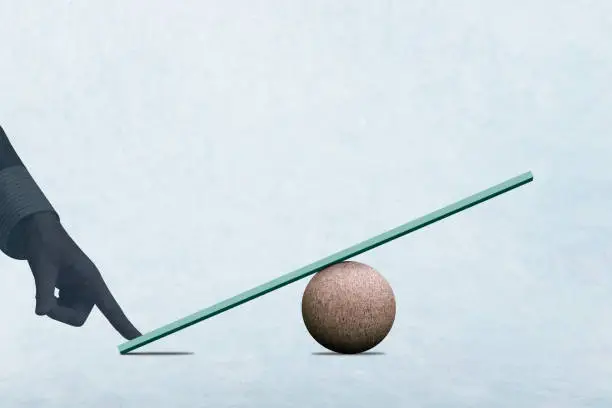
Have you ever been in a meeting where a woman’s idea was overlooked, only for a man to repeat it and receive praise? Or noticed leadership teams predominantly male, despite a company’s commitment to diversity? These subtle patterns aren’t mere coincidences; they’re manifestations of unconscious gender bias at work.
What Is Unconscious Gender Bias?
Unconscious gender bias refers to the automatic, often unintentional stereotypes and assumptions we make based on gender. It’s not about overt discrimination but the ingrained perceptions that influence decisions in hiring, promotions, and daily workplace interactions.
The Data Speaks Volumes
Research in the UK highlights the pervasive nature of unconscious gender bias:
- Gender Pay Gap: Women in the UK earn significantly less than men, with a gender pay gap of 8.3% among full-time employees. cpduk.co.uk
- Leadership Representation: A mere 6% of CEOs in FTSE 100 companies are women, underscoring the leadership imbalance. cpduk.co.uk
- Perceived Gender Roles: A study found that 44% of UK workers still view certain jobs as exclusively male or female, and only 19% believe there’s gender equality in their workplace. communicatemagazine.com
- Workplace Discrimination: Approximately 10% of UK adults report experiencing gender-based discrimination at work, with 12% of women and 7% of men affected. ciphr.com
How It Manifests in the Workplace
Unconscious gender bias can infiltrate various aspects of professional life:
- Hiring Practices: Women may be judged on experience, while men are assessed based on potential.
- Meeting Dynamics: Women’s ideas might be overlooked until reiterated by male colleagues.
- Promotion Pathways: Men often receive leadership opportunities based on perceived potential, whereas women must repeatedly prove their capabilities.
- Work-Life Balance Assumptions: There’s a tendency to assume women are less committed due to caregiving responsibilities.
Strategies to Counteract Unconscious Bias
Addressing unconscious bias requires awareness and proactive measures:
- Bias Training: Implementing unconscious bias training can help employees recognize and mitigate their own biases.
- Structured Evaluations: Utilizing standardized criteria for hiring and promotions reduces subjectivity.
- Amplification Techniques: Encouraging team members to acknowledge and credit women’s contributions can balance discussions.
- Mentorship and Sponsorship: Supporting women through mentorship and advocacy can help dismantle systemic biases.
Final Thoughts
Unconscious gender bias isn’t always overt, but its impact is tangible. By understanding its mechanisms and implementing strategies to combat it, UK workplaces can foster more inclusive environments where everyone has an equal opportunity to succeed.
Note: The statistics and studies referenced are based on data available up to 2025.
Refs:
https://www.cpduk.co.uk/news/gender-equality-overcoming-unconscious-bias-at-work
https://www.communicatemagazine.com/news/2021/unconscious-gender-bias-in-the-workplace-still-exists
https://www.ciphr.com/press-releases/over-a-third-of-uk-adults-have-suffered-discrimination-at-work
https://www.acas.org.uk/improving-equality-diversity-and-inclusion/unconscious-bias
